 18:58
18:58
Early Detection and Prevention Intervention for Colorectal Cancer
Geerard L. Beets, Regina Beets-Tan
Colorectal cancer takes close to a million lives a year, and it is one of the most preventable cancers we treat. Professors Regina Beets-Tan and Gerard Beets explain why screening works less...
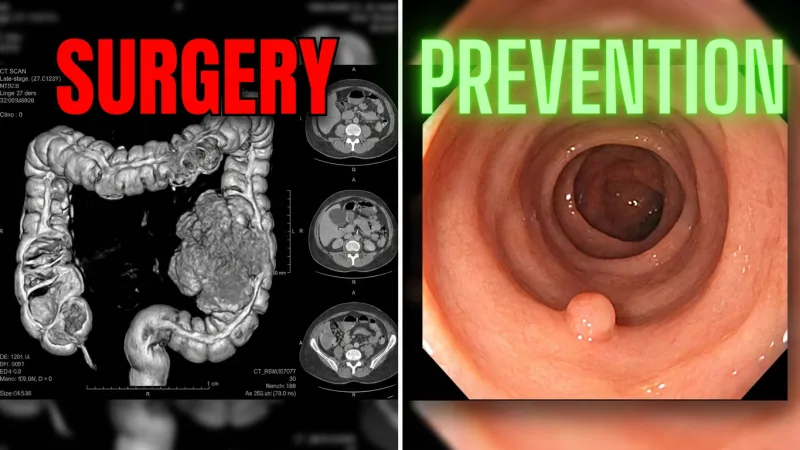
Colorectal cancer takes close to a million lives a year, and it is one of the most preventable cancers we treat. Professors Regina Beets-Tan and Gerard Beets explain why screening works less through early detection than through prevention, by finding and removing the polyps before they ever become cancer.
The talk pairs the radiologist's view with the surgeon's. Professor Beets-Tan sets out where imaging helps and where it does not, including a candid assessment of CT staging. Professor Beets then walks through the Netherlands screening program as a working model of what population screening actually demands, and what it delivers once it matures.
Key points for clinicians:
The adenoma-to-carcinoma sequence takes roughly 20 years, which opens a long window to identify and remove precursor lesions.
The most cost-effective approach is a FIT test followed by colonoscopy, saving lives through prevention first and early detection second.
For staging, agreement between CT and histology for T and N stage was no better than a coin toss, which points toward new biomarkers and targeted imaging such as FAPI-PET.
The Dutch program took about 10 years to build and now reaches 70 to 76 percent uptake, with half of screen-detected cancers found at stage 1 and an earlier-than-expected drop in mortality.
Roughly 40 percent of colorectal cancers in the Netherlands now avoid major surgery through local excision and watch-and-wait, though the full return on screening takes a 10 to 20 year horizon.