Accepting applications until August 1

City of Hope Intensive Course in Genomic Cancer Risk Assessment

Accepting applications until August 1

← Back to Virtual Meetings

ISOPT CONGRESS - JUNE 2026

Day Two: ISOPT Annual Meeting

Jun 13, 2026 Hong Kong
The 2nd Annual ISOPT Congress features world-class speakers discussing: 1) initiatives to reduce cancer mortality in Europe, Korea, and China, 2) the global cancer burden; 3) advances in neoadjuvant therapies for lung, colorectal, breast, and melanoma,; 4) multidisciplinary management of gastrointestinal, breast, and lung cancers; 5) principles for cancer prevention and early detection of colorectal, gastric, and lung cancers, and 6) the cost-effectiveness of nasopharyngeal cancer prevention and early detection.

Cancer Risks and Initiatives to Reduce Cancer Mortality

The Global Cancer Burden: Present and Future Projections 18:25

The Global Cancer Burden: Present and Future Projections

Leslie Mery

There were 20 million new cancer cases and close to 10 million deaths in 2022, and the burden is set to rise 75 percent by 2050. Les Mery of the International Agency for Research on Cancer o...

There were 20 million new cancer cases and close to 10 million deaths in 2022, and the burden is set to rise 75 percent by 2050. Les Mery of the International Agency for Research on Cancer opened with the message worth holding onto: four in ten of those cancers are preventable.

Speaking on behalf of IARC, the WHO's specialized cancer agency in Lyon, Mery walks through the 2022 global burden data by age, sex, and world region, then explains how the estimates are actually produced. Cancer is already a leading cause of premature mortality across most of the world, and Mery makes the case that the tool underpinning every one of these numbers, the population-based cancer registry, is still missing in most countries. He closes on why measuring the problem is the precondition for controlling it.

Key points for clinicians:

  • The 10 most common cancer types account for about two-thirds of global incidence and mortality. Lung cancer leads at 2.5 million new cases (12.5 percent of the total), with female breast cancer close behind at 2.3 million, followed by colorectal and stomach.

  • About one in five men and one in five women develop cancer in their lifetime, based on 2022 estimates. Roughly one in nine men and one in twelve women die of it.

  • Breast cancer accounts for about a quarter of all new cancers in women. Leading types shift by region: lung dominates parts of Asia, cervical cancer dominates much of Africa.

  • Breast cancer shows a striking inversion. Higher-incidence developed countries (France through Norway, where roughly 1 in 10 women are affected over a lifetime) carry among the lowest mortality, while lower-incidence countries carry some of the highest.

  • For the working-age group of 25 to 54, IARC estimated just over 4.5 million new cases in 2022 for both sexes, with Asia accounting for nearly 60 percent, then Europe, then Africa.

  • The data infrastructure is thin. About one in three countries has high-quality incidence data and only about one in four has high-quality mortality data. IARC's estimates rely on high-quality registry data where it exists (methods 1 and 2A) and inference from the most reliable nearby data where it does not.

  • Cancer Incidence in Five Continents (CI5), begun around 1965 by Sir Richard Doll and colleagues, grew from about 29 countries and 30 registries in Volume 1 to 104 countries, 670 registries, and 812 populations in Volume 12. The GICR program, launched in 2012, works through six IARC regional hubs to build registry capacity worldwide.
Initiatives for Reducing Cancer Mortality in Europe 16:38

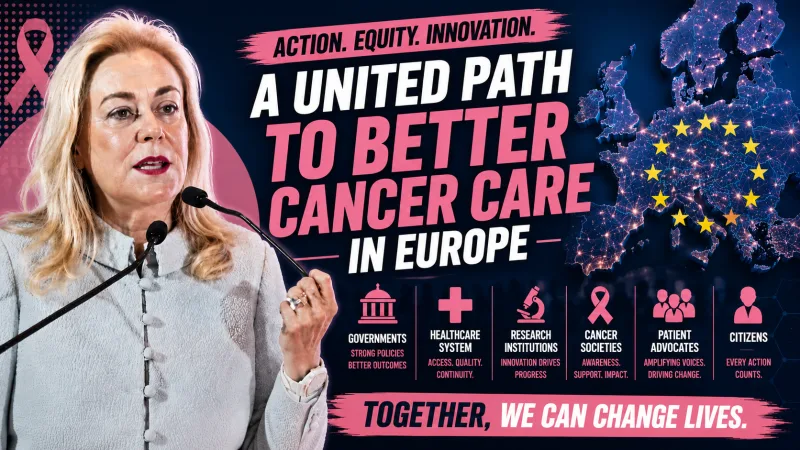
Initiatives for Reducing Cancer Mortality in Europe

Isabel T. Rubio

Europe holds a tenth of the world's population and a quarter of its cancer cases. Dr. Isabel Rubio, past president of the European Society of Surgical Oncology, walked through what the Europ...

Europe holds a tenth of the world's population and a quarter of its cancer cases. Dr. Isabel Rubio, past president of the European Society of Surgical Oncology, walked through what the European Cancer Plan has actually changed since 2021, and where the gaps still cost lives. One in two Europeans will be diagnosed with cancer in their lifetime, and about half of new cases still have limited or no early screening.

Rubio's talk is a clear-eyed audit of prevention and early detection across the continent. She credits the European Cancer Plan for real regulatory and screening gains on HPV, alcohol, tobacco, and the major screening programs, then holds up the map that keeps recurring in her slides: deep disparities between Western, Eastern, Northern, and Southern Europe. The through-line is that better screening only pays off when it reaches everyone and connects to the full diagnosis and treatment pathway.

Key points for clinicians:

  • HPV vaccination is a live target. Under the EU program to eliminate HPV-related cancers, Iceland, Portugal, and Norway have reached 90 percent coverage in girls by age 15, while some Eastern countries still run no vaccination program at all.

  • Alcohol is a named, quantified risk. It accounts for about 1 in 10 cancers in men and 1 in 33 in women and is a risk factor for at least seven cancers. A 19,000-participant study across 14 countries found bottle warning labels were perceived as raising public awareness of that risk.

  • Screening has expanded and diversified. Breast screening now runs age 45 to 75, alongside expanded cervical and colorectal programs, plus three new pilots: PRAISE-U for prostate, SOLACE for lung using low-dose CT, and TOGAS for gastric via H. pylori screening and surveillance of precancerous lesions.

  • Lung screening data favor women. In the SOLACE low-dose CT program, 55 percent of participants were women, and women appear to benefit most from this approach.

  • Participation is its own barrier. In Spain, breast screening has run since the 1990s, yet first-call uptake sits near 80 percent and follow-up calls fall below 60 percent.

  • The burden is concentrated. Breast, colorectal, cervical, lung, prostate, and gastric cancers account for 53 percent of all new European cancer cases and half of cancer deaths in 2024, with a total economic impact estimated at over 100 billion euros per year.

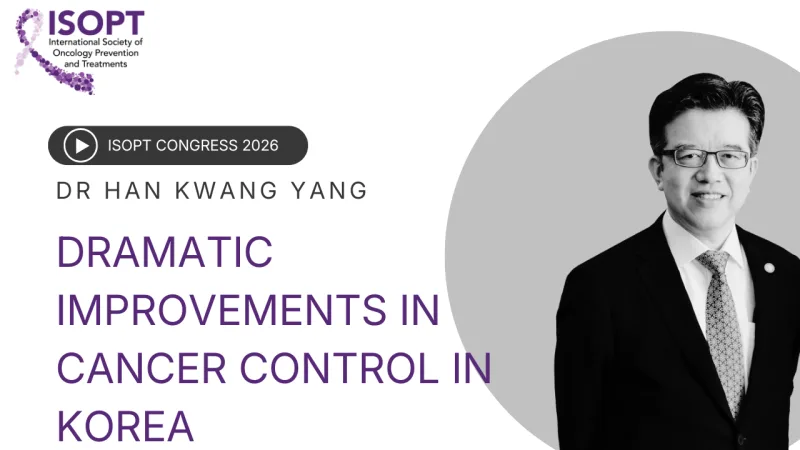
Initiatives for Reducing Cancer Mortality in Korea 18:39

Initiatives for Reducing Cancer Mortality in Korea

Han-Kwang Yang

In one generation, Korea went from a country where roughly 90 percent of cancers were found at stage 3 or 4 to one where more than 70 percent are caught early. Professor Han-Kwang Yang walks...

In one generation, Korea went from a country where roughly 90 percent of cancers were found at stage 3 or 4 to one where more than 70 percent are caught early. Professor Han-Kwang Yang walks through how that happened, and why the number that matters most is not incidence but the ratio of deaths to cases.

Professor Yang, of Korea's National Cancer Center, lays out 25 years of national cancer control: the registry, the single national insurer, the anti-smoking laws, and an organized screening program that lifted participation from about 30 percent to over 77 percent. The through-line is that a country can face rising cancer incidence from an aging population and still drive mortality down, if detection moves earlier and the whole system is built to support it.

Key points for clinicians:

  • Cancer has been Korea's leading cause of death since 1980, and 2023 new-case counts are roughly triple those of 2000, driven by longer life expectancy. One in two men and one in three women will develop cancer.

  • On age-standardized rates the picture splits: thyroid, breast, prostate, and pancreatic cancers are rising, while gastric, colorectal, liver, and cervical cancers are falling.

  • Prevention shows up in the curves. Cutting the smoking rate by more than half, including a ban on smoking scenes in broadcast dramas, tracks with falling lung cancer, hepatitis B control tracks with a sharp drop in liver cancer, and cervical cancer has gone from the leading cause of cancer death in women to rare.

  • The national screening program covers gastric cancer by endoscopy every two years from age 40, plus breast, cervical, and colorectal (fecal occult blood) screening, with liver and lung screening for high-risk groups. Lung screening since 2019 uses low-dose CT read with AI assistance.

  • Organized screening moved stage at diagnosis earlier and lifted overall cancer survival to 73.7 percent, with Korea reporting among the world's lowest mortality-to-incidence ratios in gastric, colorectal (0.22), and breast cancer (0.08).

  • What is next is data-driven revision: population colonoscopy under study, gastric screening extended to age 74 with upper GI radiology dropped unless endoscopy is not possible, an H. pylori eradication trial with IARC and WHO, and liquid biopsy on the horizon. A registry that captures 97.4 percent of cancers makes those changes measurable.

Advances in Neoadjuvant Therapies for Primary Cancers

Advances in Targeted Neoadjuvant Therapies for Lung Cancer 16:53

Advances in Targeted Neoadjuvant Therapies for Lung Cancer

Tony S. K. Mok

For a patient with resectable lung cancer, three or four cycles of chemotherapy plus immunotherapy before surgery can leave the surgeon with no visible cancer cells to find. In about one in...

For a patient with resectable lung cancer, three or four cycles of chemotherapy plus immunotherapy before surgery can leave the surgeon with no visible cancer cells to find. In about one in five patients treated this way, the pathologist reports a complete pathological response. Professor Tony Mok walked through why that matters, and where the evidence is still thin.

Mok separates lung cancer into two worlds that call for different management: tumors without a driver oncogene, and tumors driven by EGFR or ALK. For driver-negative disease, neoadjuvant chemoimmunotherapy is now a world standard. He builds the case from the pathological response data through event-free survival and, finally, the long-term overall survival numbers that patients actually care about. He then turns to the harder driver-positive questions, where targeted therapy shrinks tumors reliably but rarely clears them, and closes on a striking new signal in ALK-positive disease.

Key points for clinicians:

  • In driver-negative resectable NSCLC, neoadjuvant chemoimmunotherapy produces a pathological complete response in roughly 20 percent of patients, drawing on CheckMate 816, NEOTORCH, and KEYNOTE-671 among others.

  • Pooled analysis shows chemo-IO markedly raises the odds of a complete pathological response, with a smaller but real gain in major pathological response, and the benefit carries through to event-free survival (hazard ratio about 2.59).

  • CheckMate 816 now has five-year follow-up: overall survival of 65 percent versus 55 percent, an absolute gain near 10 percent that patients should be told about directly.

  • PD-L1 status guides selection. Benefit is clear above 1 percent (one large dataset showed 78 percent versus 50 percent), and marginal below 1 percent, where the overall survival difference is not statistically significant.

  • Multidisciplinary team review before surgery raises the conversion from unresectable to resectable disease. In one European stage 2B/3 series, resectable cases rose from 56 to 72 with neoadjuvant chemo-IO in the discussion.

  • For EGFR-mutant disease, neoadjuvant osimertinib (NeoADAURA) shrinks tumors in about 90 percent of patients and downstages roughly half, but pathological complete response stays near zero, so a survival benefit cannot be assumed. Its clearest use is downstaging to ease surgery.

  • In ALK-positive disease, a small study of a second-generation inhibitor reported a 60 percent major pathological response and 25 percent complete response. A Chinese study presented at ASCO used the third-generation agent lorlatinib in unresectable stage 3 disease and reported 75 percent conversion to resectable, a 47 percent complete pathological response, and 81 percent major pathological response, the strongest targeted-therapy pathological signal to date.

Advances in Neoadjuvant Therapy for HER2+ Breast Cancer 21:44

Advances in Neoadjuvant Therapy for HER2+ Breast Cancer

Hope S. Rugo

In early HER2-positive breast cancer, we have learned how to escalate for the poor responders. We still have not cracked how to safely give less to the excellent ones. Professor Hope Rugo ma...

In early HER2-positive breast cancer, we have learned how to escalate for the poor responders. We still have not cracked how to safely give less to the excellent ones. Professor Hope Rugo makes that unfinished problem the center of her talk.

Professor Rugo argues that neoadjuvant therapy is the right path for all but the smallest HER2-positive tumors, because response tells you who needs more and who might need less. She walks through the de-escalation question of whether carboplatin can come out, the escalation data now reshaping high-risk disease, and a wave of newer antibodies and biomarkers that point toward treatment guided by tumor biology and real-time response rather than a fixed recipe.

Key points for clinicians:

  • The de-escalation case for dropping carboplatin is real but unsettled. NeoCARH showed identical pCR from THP versus TCHP, yet used every-three-week taxane over 18 weeks with more toxicity, and COMPASS-HER2-pCR found THP alone gave only a 33 percent pCR in ER-positive, HER2-positive disease versus 64 percent in ER-negative disease.

  • DESTINY-Breast11, a 927-patient neoadjuvant trial powered for pCR, showed trastuzumab deruxtecan followed by THP produced the highest pCR and RCB 0 or 1 rates seen in any trial, including a 61 percent pCR in HR-positive disease after just 12 weeks of THP, while the T-DXd-alone arm was closed for lack of efficacy.

  • In the adjuvant setting, the DESTINY-Breast05 interim analysis in a higher-risk residual-disease population improved invasive disease-free survival by almost 9 percent, with a three-year IDFS hazard ratio of 0.47 and a signal toward fewer CNS events.

  • Interstitial lung disease remains the toxicity to respect. It was the lowest ever reported at 4.4 percent in DESTINY-Breast11 and about 9.6 percent any-grade in DESTINY-Breast05, concurrent radiation appeared safe, and the rare deaths traced to missed surveillance CT scans.
    Newer targeted approaches are pushing pCR higher, including the biparatopic antibodies zanidatamab and anbenitamab, tucatinib added to trastuzumab and pertuzumab, and PET-CT and ctDNA dynamics used to select and de-escalate, with early ctDNA clearance tracking with higher pCR.

  • The direction is individualized therapy driven by tumor biology and response, as in adaptively randomized trials like I-SPY 2.2, moving away from the cookbook approach that closed the T-DXd-alone arm.

The Revolution of Neoadjuvant and Adjuvant Immunotherapy 34:39

The Revolution of Neoadjuvant and Adjuvant Immunotherapy

Alexander Eggermont

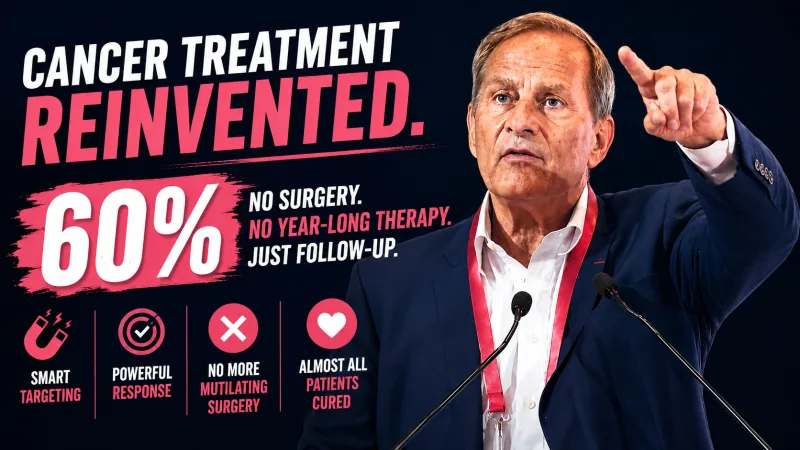
We spent decades operating first and treating second. Professor Alexander Eggermont opened by turning that on its head. In melanoma, and now in a growing list of other cancers, the order is...

We spent decades operating first and treating second. Professor Alexander Eggermont opened by turning that on its head. In melanoma, and now in a growing list of other cancers, the order is immunotherapy first, and surgery only if it is still necessary. The reason is not comfort. It is cure.

Eggermont walked through why adjuvant therapy after a lymph node dissection delivers so little overall survival benefit, and why the neoadjuvant approach delivers so much. When you take out the positive lymph nodes first, you take away the school where T cells are trained. Leave the primary tumor and its nodal metastases in place, give two cycles of checkpoint blockade, and you build a larger and more diverse army of T cell clones than any adjuvant regimen can. He called it a triple benefit: more cures, shorter treatment, and less surgery. Then he showed the same pattern repeating across skin, breast, lung, gastric, rectal, bladder, and even relapsed glioblastoma.

Key points for clinicians:

  • Adjuvant therapy after lymph node dissection produces a marginal or absent overall survival benefit in stage 3 melanoma. Real-world data from the Netherlands and Sweden show no population-level survival gain, and a recent UK report found a benefit of only a few percentage points that barely reached significance.

  • The mechanism is the argument. Minimal residual disease after dissection has too few T cells to expand. Anti-CTLA-4 intensifies T cell priming in intact nodes and anti-PD-1 expands the response, so keeping the primary tumor and nodes in place produces bigger, more diverse, and newly created T cell clones.

  • In palpable-node melanoma, neoadjuvant anti-PD-1 plus anti-CTLA-4 produced a 60 percent pathologic complete response and a further 15 percent near-complete response. Those patients essentially stop relapsing, a curve never before seen in melanoma.

  • The SWOG trial showed that just three doses of pembrolizumab before surgery beat a year of standard adjuvant anti-PD-1, and it became standard of care. Adding two cycles of anti-CTLA-4 before planned dissection produced a gain of more than 20 percent in distant metastasis-free survival at 18 months and at two years.

  • The PRADO trial pushed the logic further. A magnet marks the index node, two cycles of low-dose ipilimumab and high-dose nivolumab follow, and 60 percent reach a pathologic complete or near-complete response in that node. Those patients get no lymph node dissection and no year of adjuvant therapy, and the five-year data show almost no relapse.

  • The paradigm is not confined to melanoma. Cutaneous squamous cell cancer may move to intralesional anti-PD-1 that spares 80 to 85 percent of facial surgery, head and neck cancer has an FDA-approved perioperative pembrolizumab regimen with a 22-month event-free survival benefit, MSI-high rectal tumors reach roughly 95 percent response and can avoid surgery entirely, neoadjuvant therapy spares half of bladder cancer patients a radical cystectomy, and a single preoperative dose of anti-PD-1 in relapsed glioblastoma at UCLA and UCSF filled the resected tumors with lymphocytes and improved survival.

Multidisciplinary Management of Primary Cancers: Current Standards of Care

Multidisciplinary Management of Early Breast Cancer

Tumor Board for a 2cm 3+ breast cancer - Endocrine therapy vs. neoadjuvant chemo 9:43

Tumor Board for a 2cm 3+ breast cancer - Endocrine therapy vs. neoadjuvant chemo

Isabel T. Rubio

A 50-year-old woman walks in with a screen-detected, clinically node-negative tumor just over two centimeters. It is HER2 3+, ER and PR positive, Ki-67 of 67, grade 3, germline negative. The...

A 50-year-old woman walks in with a screen-detected, clinically node-negative tumor just over two centimeters. It is HER2 3+, ER and PR positive, Ki-67 of 67, grade 3, germline negative. The whole panel discusses: what do you give before anyone operates?

This tumor board works through a case that sits right on the line where guidelines change behavior. The tumor is barely above the two-centimeter ESMO threshold for neoadjuvant therapy in HER2-positive disease, so the discussion becomes a live argument about how far to de-escalate. One panelist offers primary endocrine therapy and defends monitoring the response within a month. The rest of the room pushes back and lands on preoperative HER2-directed treatment, because treating first teaches you how the tumor behaves and lets you tailor everything that comes after. The value of this session is watching experienced clinicians disagree in the open and still converge.

Key points for clinicians:

The case is a 50-year-old, perimenopausal, screen-detected tumor of roughly 2 to 2.5 cm, clinically node-negative, HER2 3+, ER/PR positive, Ki-67 of 67, nuclear grade 3, with negative germline testing. It sits just above the size threshold where neoadjuvant therapy enters the conversation.

  • One panelist argues for primary endocrine therapy as a legitimate option even here, monitoring within a month to see if the tumor is shrinking. Most of the room would not choose that path for a HER2 3+ tumor.

  • The majority favor preoperative therapy, citing NCCN language that neoadjuvant treatment can be considered for T1c and larger tumors because the neoadjuvant setting reveals response and lets you optimize post-neoadjuvant treatment.

  • GAIN-2, presented at ESMO Breast, is cited as hypothesis-generating rather than definitive: HER2 3+ tumors showed high pCR rates with trastuzumab and pertuzumab alone, supporting THP over more intensive chemotherapy for a small, node-negative tumor.

  • On de-escalation, one panelist would drop the neoadjuvant size threshold below the guideline two centimeters, to 7 to 8 mm with high-risk features, while noting that lower-risk tumors with a higher chance of pCR argue for less intensive, less toxic regimens. Antibody-drug conjugates earn their added 10 to 15 percent relative pCR benefit mainly in larger tumors.

  • On the recipe, this patient would not be a DESTINY-Breast11 (DB11) candidate. The preferred choice is THP with paclitaxel rather than docetaxel, sparing carboplatin, using cold gloves and booties to limit neuropathy and nail loss, with rescue therapy decided after surgery. The panel flags the open question of whether residual disease here justifies 14 cycles of trastuzumab deruxtecan, given she does not cleanly meet DESTINY-Breast05 (DB05) criteria.

  • The panel closes on process: check for an available clinical trial before committing to any regimen.

Multidisciplinary Management of Lung Cancer

Multidisciplinary Management of Lung Cancer in China 15:08

Multidisciplinary Management of Lung Cancer in China

Wenhua Liang

In stage 1A lung cancer, chemotherapy adds nothing, yet about 20 percent of these patients still recur. Professor Wenhua Liang shows how a gene assay changes that picture: enrich for the hig...

In stage 1A lung cancer, chemotherapy adds nothing, yet about 20 percent of these patients still recur. Professor Wenhua Liang shows how a gene assay changes that picture: enrich for the high-risk patients, give adjuvant EGFR TKI, and recurrence falls below 5 percent. Drawing on a Chinese registry of roughly 7 million inpatient cases from 2016 to 2021, he lays out where comprehensive treatment is heading and where access still fails.

Liang covers who actually needs adjuvant therapy, how to handle multiple primary tumors, when chemotherapy can be dropped in EGFR-mutant disease, and how to reach patients in regions where molecular testing is slow, costly, or unavailable. The recurring theme is precision applied to the parts of the system that usually get left out.

Key points for clinicians:

  • In a retrospective cohort, high-risk stage 1A patients identified by a gene assay had about 30 percent recurrence under surveillance, dropping below 5 percent with adjuvant EGFR TKI. The FORWARD registry study of adjuvant furmonertinib, a Chinese third-generation TKI, was the first to include high-risk stage 1A.

  • Multiple primary lung cancer accounts for about 15 percent of early-stage cases in China and East Asia. A radiomic AI model predicts EGFR status without biopsying every lesion, and EGFR TKI in predicted-positive cases reached about 60 percent overall response, sparing many patients repeat surgery.

  • In EGFR-mutant disease, a reanalysis of ADAURA showed chemotherapy before EGFR TKI added no benefit. Liang argues for dropping chemotherapy and prolonging the TKI, since most patients recur after withdrawal.

  • Neoadjuvant IO cycles cluster around three to four as optimal in real-world data, possibly more in multicenter work. In stage 3, patients who chose surgery over radiotherapy had better overall survival.

  • Lymph node positive patients had roughly one-eighth the pathologic response rate of node-negative patients. Liang makes the case for scoring nodal pathologic response too, using a cutoff below 10 percent viable cells, since combining primary and nodal response improves prognostic prediction.

  • For access, a pathological AI model predicts mutation status to triage patients toward cheap confirmatory PCR or IHC where full testing is unavailable. And for late-stage tissue, excisional surgical biopsy reached 100 percent NGS success versus about 40 percent insufficient sampling with needle biopsy, protecting the chance at targeted therapy.

Surgical Management of Lung Cancer 9:37

Surgical Management of Lung Cancer

Paul Van Schil

Van Schil frames the surgeon's job as complete R0 resection, judged on technical resectability, oncological resectability, and the patient's functional operability, always inside a multidisc...

Van Schil frames the surgeon's job as complete R0 resection, judged on technical resectability, oncological resectability, and the patient's functional operability, always inside a multidisciplinary team. He walks the ESMO-based pathways for stage 1 through 3, then turns to the unsettled definition of resectability itself, where the new EORTC consensus is meant to guide discussion rather than close it.

Key points for clinicians:

  • Complete R0 resection is the aim. IASLC criteria from 2005 call for at least six nodal stations removed, three from the mediastinum including subcarinal station 7. Falling short is an uncertain resection and is associated with roughly 20 fewer months of overall survival when nodes are positive.

  • Stage 1, medically operable: surgery is preferred. Sublobar resection can be discussed for node-negative tumors under 2 cm, otherwise lobectomy. Larger tumors with EGFR ex19del or L858R receive osimertinib for three years.

  • Medically inoperable stage 1 usually starts with SBRT followed by surveillance, with salvage surgery considered on local progression.

  • Stage 2 and 3 decisions hinge on EGFR and PD-L1 testing, sorting patients across adjuvant chemotherapy, checkpoint inhibitors, and targeted therapy, with surgery up front for EGFR-mutant or ALK-rearranged resectable disease.

  • Resectability is still not harmonized. The EORTC consensus definition of stage 3 NSCLC (Dingemans, Lancet Respiratory Medicine, 2026) is explicitly work in progress. Trials like PACIFIC never gave a precise definition of unresectable disease, and neoadjuvant and perioperative trials often left resectable undefined.

  • Anatomy sets limits: T4 by separate nodules or size is generally resectable, while invasion of the myocardium, trachea above the carina, esophagus, or spinal cord is usually unresectable.

Multidisciplinary Management of Lung Cancer 18:14

Multidisciplinary Management of Lung Cancer

Fred R. Hirsch, Paul Van Schil

Lung cancer has become the working model for precision oncology, and the number of actionable targets in early-stage disease is growing faster than the trials to test them. Professor Fred Hi...

Lung cancer has become the working model for precision oncology, and the number of actionable targets in early-stage disease is growing faster than the trials to test them. Professor Fred Hirsch walks through that acceleration and lands on the harder question underneath it: with immunotherapy, only about 40 percent of lung cancer patients see significant benefit, and we still do not select the right ones well.

Hirsch traces the move of targeted therapy and immunotherapy from advanced disease into the adjuvant, neoadjuvant, and perioperative settings, then Professor Oscar Arrieta adds a note of restraint on when a randomized trial is truly required. The through-line is a field advancing quickly on drugs while the questions that matter to patients, cure and treatment duration, are still open.

Key points for clinicians:

  • In early-stage EGFR-positive disease, adjuvant osimertinib (ADAURA) showed a clear disease-free survival benefit and, so far, an overall survival benefit. Adjuvant alectinib (ALINA) is now standard of care for ALK-positive patients.

  • Fourth-generation EGFR TKIs are being designed for better CNS penetration than third-generation osimertinib, with early data presented at ASCO this year. In unresectable stage 3 EGFR disease, the LAURA study favored osimertinib.

  • The proliferation of rare targets, some at 1 to 2 percent of patients, raises a real design question: is a randomized trial needed for every actionable mutation before moving it into early-stage disease?

  • With immunotherapy, roughly 40 percent of patients benefit meaningfully. PD-L1 remains the working selector: above 50 percent, IO monotherapy; below 50 percent, chemo plus IO; below 1 percent, chemo plus IO or chemo plus dual IO.

  • Neoadjuvant or perioperative immunotherapy carries benefit even in PD-L1 negative tumors, about 20 percent of patients, though the PD-L1 negative space is still unsettled.

  • After neoadjuvant therapy, about 20 percent of US patients reach a complete pathologic response, higher in Asia. The SWOG-initiated INSIDE trial tests adjuvant IO versus surveillance in those patients, with a separate ETOP trial for non-pCR.

  • Arrieta's caution: not all actionable mutations carry the same magnitude of benefit, and some may not change survival if the same therapy can be given at recurrence.

Advances in Cancer Prevention and Early Detection

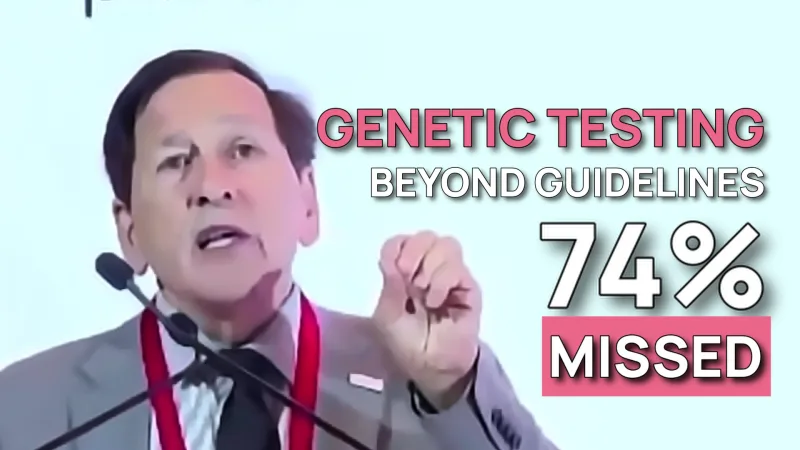
Genetic Testing and Cancer Risk Assessment 21:12

Genetic Testing and Cancer Risk Assessment

Jeffrey N. Weitzel

We have the evidence, and we have the tools. Professor Jeffrey Weitzel opened his talk with the uncomfortable part: 74 percent of the people carrying an actionable cancer gene would never ha...

We have the evidence, and we have the tools. Professor Jeffrey Weitzel opened his talk with the uncomfortable part: 74 percent of the people carrying an actionable cancer gene would never have qualified for testing under our own guidelines.

Professor Weitzel traces genetic risk assessment from the first observations of hereditary cancer to whole-genome sequencing and polygenic risk scores, and he argues that the field's central failure is now reach, not science. He shows why family history still matters, why population-based testing finds carriers that criteria miss, and why identifying these patients is one of the most compelling interventions in medicine, because for BRCA carriers, risk-reducing surgery lowers all-cause mortality.

Key points for clinicians:

  • Pathogenic variants appear in at least 10 percent of breast cancer patients, 25 percent of ovarian cancer patients, and roughly 10 percent of prostate cancer patients.

  • Guidelines can be simplified toward testing essentially all breast cancer patients, but carriers should not be managed identically, since a 35-year-old and a 60-year-old with the same variant face very different lifetime risk.

  • Removing the tubes and ovaries carries the highest level of evidence, an all-cause mortality reduction, and there is effectively no upper age limit for considering it.

  • In a Sloan Kettering series, 16 percent of patients had an actionable variant, and 74 percent of them would not have met testing criteria.

  • Polygenic risk scores are now ancestry-anchored and entering clinical use, as in the 28,000-woman WISDOM trial, yet US germline testing for ovarian cancer still sits under 50 percent, which is why training, mainstreaming, and cascade testing matter.

Artificial Intelligence Enhancing the Efficiency and Effectiveness of Cancer Prevention and Screening 20:39

Artificial Intelligence Enhancing the Efficiency and Effectiveness of Cancer Prevention and Screening

Regina Beets-Tan

Europe has the AI tools to catch cancer earlier. Only 5 percent of its hospitals actually use them. That gap, not the technology, is what Professor Regina Beets-Tan came to talk about.Speaki...

Europe has the AI tools to catch cancer earlier. Only 5 percent of its hospitals actually use them. That gap, not the technology, is what Professor Regina Beets-Tan came to talk about.

Speaking as a radiologist working at the front of imaging AI, Professor Beets-Tan lays out where artificial intelligence is already changing prevention and early detection, and why the harder problem now is deployment rather than invention. She frames the shift from morphology to integrated, multimodal diagnostics, and makes the case that moving these tools into routine care is a leadership challenge, not a technical one. The moment to act, she argues, is now.

Key points for clinicians:

  • Europe holds one-tenth of the world's population but 25 percent of its cancer cases, and per-person cancer care costs in the EU are projected to rise more than 50 percent by 2050.

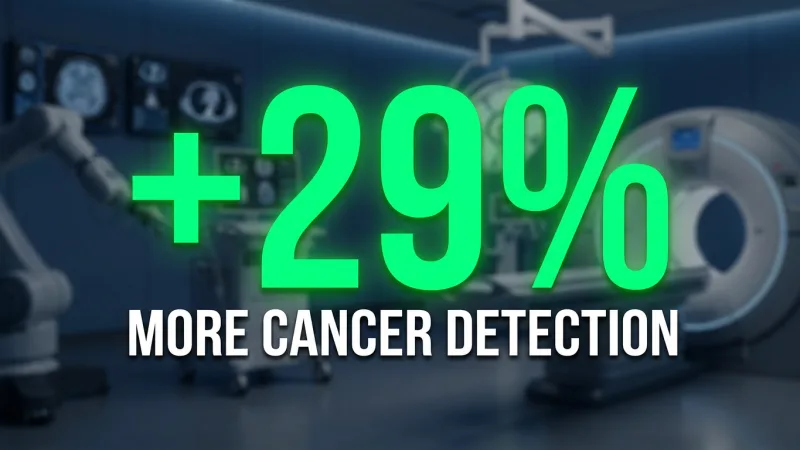
  • In a landmark breast screening trial, adding AI raised cancer detection by 29 percent with no increase in recalls or false positives, while cutting reading workload by nearly half.

  • Half of screen-detected colorectal cancers are stage 1, which raises the case for organ preservation and for targeted imaging such as FAPI-PET to find small tumor volumes.

  • Roughly 75 percent of FDA-approved AI tools are in imaging, yet only 5 percent of hospitals have deployed them, and the barriers are mostly organizational.

  • Her COMPASS AI project, tied to the EU Apply AI strategy, is building the guidelines and network to move validated tools from research into practice.

Early Detection and Prevention Intervention for Colorectal Cancer 18:58

Early Detection and Prevention Intervention for Colorectal Cancer

Geerard L. Beets, Regina Beets-Tan

Colorectal cancer takes close to a million lives a year, and it is one of the most preventable cancers we treat. Professors Regina Beets-Tan and Gerard Beets explain why screening works less...

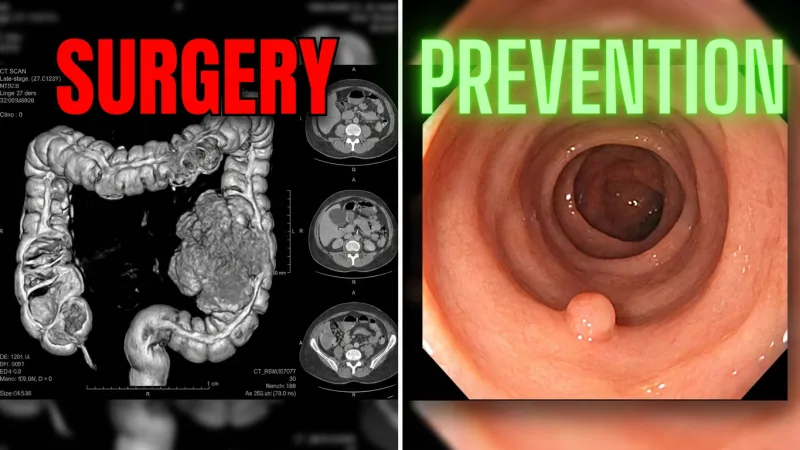
Colorectal cancer takes close to a million lives a year, and it is one of the most preventable cancers we treat. Professors Regina Beets-Tan and Gerard Beets explain why screening works less through early detection than through prevention, by finding and removing the polyps before they ever become cancer.

The talk pairs the radiologist's view with the surgeon's. Professor Beets-Tan sets out where imaging helps and where it does not, including a candid assessment of CT staging. Professor Beets then walks through the Netherlands screening program as a working model of what population screening actually demands, and what it delivers once it matures.

Key points for clinicians:

  • The adenoma-to-carcinoma sequence takes roughly 20 years, which opens a long window to identify and remove precursor lesions.

  • The most cost-effective approach is a FIT test followed by colonoscopy, saving lives through prevention first and early detection second.

  • For staging, agreement between CT and histology for T and N stage was no better than a coin toss, which points toward new biomarkers and targeted imaging such as FAPI-PET.

  • The Dutch program took about 10 years to build and now reaches 70 to 76 percent uptake, with half of screen-detected cancers found at stage 1 and an earlier-than-expected drop in mortality.

  • Roughly 40 percent of colorectal cancers in the Netherlands now avoid major surgery through local excision and watch-and-wait, though the full return on screening takes a 10 to 20 year horizon.

Early Detection of Lung Cancer 7:47

Early Detection of Lung Cancer

Fred R. Hirsch

Early-stage lung cancer is curable. That is not in dispute. Professor Fred Hirsch put the real problem plainly: at best 15 percent of eligible Americans are screened, and among those who are...

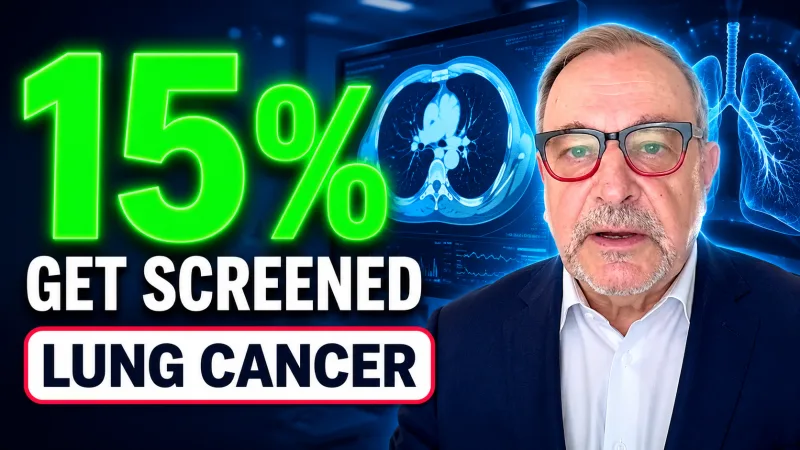
Early-stage lung cancer is curable. That is not in dispute. Professor Fred Hirsch put the real problem plainly: at best 15 percent of eligible Americans are screened, and among those who are, only 40 to 50 percent come back the following year. The tools work. The question is whether we choose to look.

Hirsch walks through why screening matters and why so little of its benefit reaches people. He covers the evidence base behind low-dose CT, the tightening of the USPSTF eligibility criteria from 2013 to 2021, and a growing group the criteria still miss: never-smokers and younger patients whose lung cancer is rising and who do not qualify for screening at all. He closes on where detection is headed, from liquid biopsy and multi-cancer early detection assays to a multi-omics approach that combines molecular signals with low-dose CT and AI-assisted reading.

Key points for clinicians:

  • The scale is large and the timing is late. More than 238,000 lung cancers are diagnosed each year in the United States and 1.8 million globally, and most are still found at an advanced stage where prognosis is poor.

  • Randomized trials established the screening criteria. The 2013 USPSTF guidance (ages 55 to 80, at least 30 pack-years, quit within 15 years) reduced lung cancer mortality by more than 20 percent, with a larger benefit seen in women.

  • The 2021 revision widened eligibility to ages 50 and above and 20 pack-years, but Hirsch argues the movement was modest and still leaves a clear gap.

  • The fastest-growing groups are outside the criteria. Lung cancer in never-smokers and in younger patients is increasing, and current pack-year-and-age thresholds do not capture them.

  • Implementation, not evidence, is the failure point. Screening uptake sits at 15 percent of the eligible population at best, and only 40 to 50 percent of those screened return annually, so few people receive the full benefit.

  • The future is multi-omics. Liquid biopsy and multi-cancer early detection assays currently show high specificity but low sensitivity and are not yet fully FDA approved. Hirsch expects detection to combine ctDNA, methylation, fragmentomics, and proteomics with clinical data and low-dose CT, aided by AI. Mount Sinai, host of the International I-ELCAP consortium, is already extending its low-dose CT program to include cardiovascular disease.

Prevention Interventions and Screening of Gastric Cancer 15:48

Prevention Interventions and Screening of Gastric Cancer

Felipe Coimbra

Almost a million people are diagnosed with gastric cancer each year, and outside Korea and Japan roughly 90 percent arrive at stage 3 or 4. Dr. Felipe José Coimbra makes the case that findin...

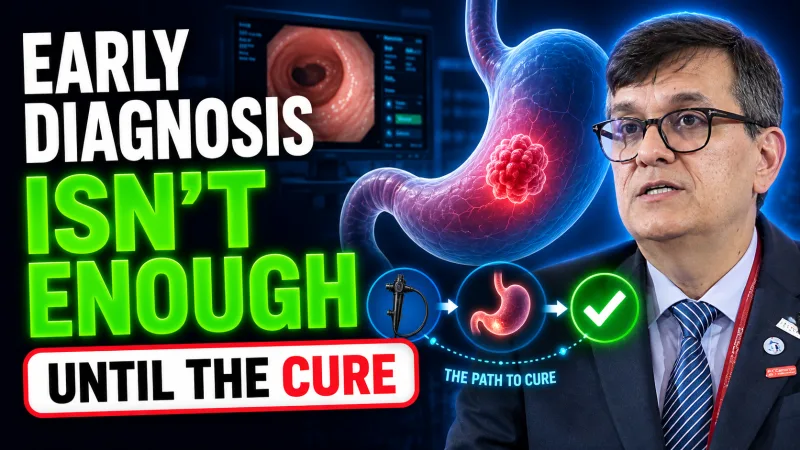
Almost a million people are diagnosed with gastric cancer each year, and outside Korea and Japan roughly 90 percent arrive at stage 3 or 4. Dr. Felipe José Coimbra makes the case that finding these cancers earlier is not enough on its own. A diagnosis is not truly early, he argues, until the patient has been carried all the way to curative treatment.

Dr. Coimbra maps the full prevention window for gastric cancer, from the intestinal-type sequence that runs from H. pylori through chronic gastritis, atrophy, intestinal metaplasia, and dysplasia to invasive disease, and shows where clinicians can intervene before cancer exists. He argues that screening must follow regional risk rather than a single global rule, that H. pylori is the most actionable exposure we have, and that early detection fails whenever the pathway to cure is fragmented. His closing frame is a bridge: the work is not done at the biopsy, it is done at the cure.

Key points for clinicians:

  • Gastric cancer runs near 1 million cases and roughly 660,000 deaths a year worldwide, and in most countries about 90 percent present at stage 3 or 4, with Korea and Japan the exceptions where organized screening shifts stage earlier.

  • H. pylori is the most actionable carcinogenic exposure in gastric cancer. Eradication can lower incidence by about 46 percent and mortality by about 40 percent, and reduces metachronous cancer, with the greatest effect before irreversible atrophy and intestinal metaplasia set in.

  • Screening should follow regional risk. Organized population screening is worthwhile in high-incidence regions like East Asia, while low-incidence settings such as Brazil and North America should target high-risk subgroups only: ancestry or immigration risk, proven familial genetics, H. pylori, and premalignant mucosa.

  • Endoscopy quality is not optional. Preparation, careful visualization, systematic mapping, and photo documentation are what make a small lesion visible, and pathology must trigger the next step by staging premalignant lesions, not just naming a cancer.

  • The economic argument favors early disease. Treating one patient at stage 4 costs about what it would take to treat 10 to 15 patients caught early, which is what makes a prevention and early-detection system sustainable.

  • Innovation should strengthen the pathway, not just the scan. AI risk models, biomarkers, enhanced endoscopy, volatile-compound breath testing, and gastric fluid DNA are promising, but should be adopted only where accuracy, interval, access, and linkage to treatment all hold.

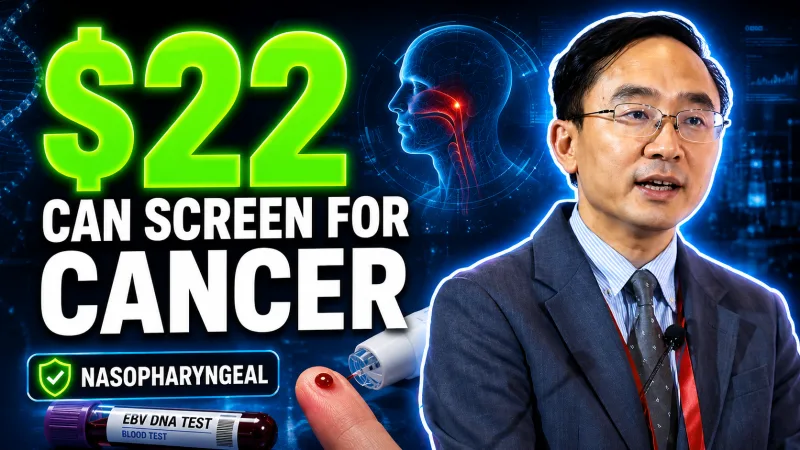
Cost-Effectiveness of Nasopharyngeal Cancer Prevention and Early Detection 19:44

Cost-Effectiveness of Nasopharyngeal Cancer Prevention and Early Detection

Victor Ho-Fun Lee

We already have tools that catch nasopharyngeal cancer early. Professor Victor Lee spent this talk on the harder question: which screening approach is worth paying for across millions of peo...

We already have tools that catch nasopharyngeal cancer early. Professor Victor Lee spent this talk on the harder question: which screening approach is worth paying for across millions of people. His answer starts with a number. The most cost-effective validated strategy runs about $22.47 per test, and in the modeling, any screening beats no screening for survival.

Nasopharyngeal cancer is geographically concentrated in the Greater Bay Area (China), Southeast Asia, and North Africa, and the differentiated type is tightly linked to Epstein-Barr virus. Lee walks through how plasma EBV DNA, discovered at the Chinese University of Hong Kong in 1998, became the backbone of NPC screening, where it still falls short, and how cost and screening interval decide whether a program is feasible for a population of millions. He closes with the work coming out of his own department: a finger-prick blood test and a 3D-printed nasal brush meant to move screening and recurrence detection out of the lab and toward the point of care.

Key points for clinicians:

  • In the CUHK prospective study, more than 20,000 healthy individuals were screened between 2012 and 2016 using a two-step plasma EBV DNA protocol, reaching 97.1% sensitivity and 98.6% specificity and shifting detection toward stage 1 and 2 disease with better progression-free survival.

  • Plasma EBV DNA still misses up to about 20% of stage 1 NPC, because the earliest tumors may not shed enough circulating DNA to be detected regardless of how much blood is drawn.

  • Positive predictive value is the weak point. Recent transient EBV infection and even colder ambient temperature can raise readings. NGS-based fragmentomics, which targets the shorter tumor-derived DNA fragments described by Dennis Lo in PNAS 2018, improves PPV from roughly 11% to about 20%, at higher cost per test.

  • Transient elevations should not be dismissed. On follow-up, people with a transiently positive result carried a relative risk of future NPC above 4, and those with persistently elevated levels reached roughly 16.8.

  • The BNLF2B antibody, reported from a Zhongshan cohort of more than 25,000 people in the New England Journal of Medicine, lifted positive predictive value from about 10% to 44.6% compared with VCA IgA, and may be complementary to plasma EBV DNA.

  • On cost-effectiveness, a JNCI analysis drawing on more than 180 studies found that PCR-based plasma EBV DNA followed by endoscopy when positive was the lowest-cost method at $22.47 per test. Annual screening yields the most survival benefit but is expensive at population scale, so every two to three years is the more practical interval for high-risk regions, with screening most cost-effective starting around the 50 to 60 age of onset.

  • Current limits are turnaround and recurrence. PCR takes two to four days and targeted sequencing about two weeks, and plasma EBV DNA is far weaker at detecting recurrence. Lee's group is developing a finger-prick point-of-care test for recurrence with reported sensitivity and specificity approaching 95 to 100% and results in about 20 minutes, plus a 3D-printed nasal brush to improve tumor cell capture.

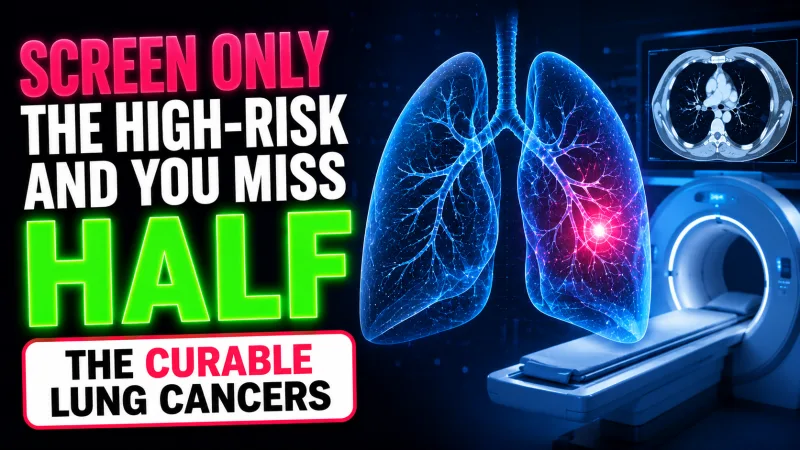
Screen Only the High-Risk and You Miss Half the Curable Lung Cancers 14:37

Screen Only the High-Risk and You Miss Half the Curable Lung Cancers

Wenhua Liang

Screen only smokers and people with a family history, and you miss almost half of the lung cancers you could still cure. Dr. Wenhua Liang built his talk around that gap, and around the tools...

Screen only smokers and people with a family history, and you miss almost half of the lung cancers you could still cure. Dr. Wenhua Liang built his talk around that gap, and around the tools his team in Guangzhou is developing to close it. His argument is that lung cancer is a chronic disease with a long window for cure, and that finding it earlier does more for mortality than any drug aimed at late-stage disease.

The talk walks through the full early-management chain: who we should be screening, how to screen them without drowning in benign nodules, how to decide which nodules actually need surgery, and how to treat the earliest lesions without cutting. It closes with the part that is still early but hard to ignore, a neoantigen vaccine aimed at the mutation that drives much of the disease in China.

Key points for clinicians:

  • The current high-risk criteria leave cancers on the table. In the Guangzhou screening project, detection was about 2 percent in the high-risk population and about 1.6 percent in the non-risk population. Skipping the non-risk group would miss close to half of the cancers, and stage 1 curable disease makes up a larger share of what turns up there.

  • CT is sensitive but not the right screening tool on its own, because it surfaces many benign and indolent lesions. Liang's team built a cell-free DNA fragmentomics assay on low-depth whole-genome sequencing, which is cheaper. In simulation it matched LDCT on sensitivity with higher specificity, and a prospective randomized trial against LDCT is underway.

  • Overdiagnosis at the surgical step is real: in a survey of top Chinese hospitals, roughly one in four resected nodules was benign on final pathology. A ctDNA methylation assay of 100 loci reached about 85 percent AUC for benign versus malignant, and adding radiomic AI pushed the multi-modality model to about 91 percent, holding accuracy even for nodules under 1 centimeter. In real-world use it cut overtreatment by nearly 90 percent and treatment delay by 73 percent.

  • For pre-invasive ground-glass lesions, a single-agent PD-1 antibody produced immune-cell infiltration and complete responses, with lesions disappearing. Liang framed this as a first demonstration that reversing immune evasion can clear an early lesion.

  • Using AI to flag EGFR-mutated lesions on imaging alone, the team gave two months of a third-generation EGFR TKI with no biopsy, and saw about a 60 percent response rate. But roughly 80 percent of lesions recurred after the drug was withdrawn, which is why consolidation matters.

  • To consolidate, they built what Liang described as the first EGFR-mutant neoantigen mRNA vaccine, covering the major mutation types that account for about half of Chinese patients. It was safe with no rash, 80 percent of patients showed immunogenicity on ELISpot, and in heavily resistant patients PD-1 plus the vaccine reached 5.7 months progression-free survival with durable responses. A mouse model showed a prevention signal, and an in-human prevention study is now running.

Sponsors